Change and disruption to everyday life is something every human experiences. This change can be for good, bad and everything in between. Its the essential way of growing, self-developing and experiencing life. Change also allows to not only grow as individuals and learn from these experiences, but it also allows us to tell stories centring around certain perspectives. In telling these stories, its quite often we find ourselves discovering something new, not only through the stories we tell, but the stories others tell us. They help us to better understand ourselves and find commonality with others.
When thinking about change or disruption at work, I think there’s been no impact larger on the workplace than COVID-19. The pandemic has caused an absolute catastrophe in not only the global economy, but the global workforce. People have lost their jobs and in turn their livelihood and wellbeing, and now governments have had to implement systems to support the now unemployed. I was one of these people at the beginning of the pandemic. I was working for about 3 months at a casual warehouse job from the start of January 2020 till the end of march, when the first lockdown started. The workplace let off all of the casual workers, me being one of them and I was out of work for over 6 months. I wasn’t eligible for any support from the government as I lived at home, so I had no source of income and found it very difficult to get any response from job applications I had been applying for.
These 6 months of unemployment I spent very little as I didn’t have much in savings. In September this all changed after I was lucky enough to be hired by a company I had previously worked for. A warehouse job were I stage computer and register equipment for companies like Woolworths, Auspost, and Super Retail Group (Rebel, BCF, Supercheap Auto). Mind you this isn’t a job that relates in any way to my University degree nor do I see myself working here for an extended period of time, but its a job I enjoy and feel comfortable in. This new job allowed me to feel comfortable spending money again. Where I use to be extremely cautious about my spending, I was now spending money on things I didn’t particularly need. I feel I related heavily to a blogpost titled “Your lifestyle has already been designed”. There the writer talks about their new habits after “returning to the normal consumer mentality after having spent some time away from it” and how their spending was not ” big, extravagant purchases. I’m talking about small-scale, casual, promiscuous spending on stuff that doesn’t really add a whole lot to my life”. This is something I found myself doing on almost a daily basis after earning money again. Buying snacks or take away when I didn’t really have a good reason too other than I had the money. Buying books or movies from Amazon when I had a stack to read/watch already.
In the Blog post, they also talk about the 35-40 hour work week. They state “I’ve only been back at work for a few days, but already I’m noticing that the more wholesome activities are quickly dropping out of my life”. This is something I’ve come to learn has happened in my life as well. Going from having all the free time in the world to do things I enjoyed like read, watch movies, go for a skate, sit outside with my dogs, writing, and spending time with family and friends quickly turned into napping after a long day at work. The 5 day work week ruined my free time and study time. It probably doesn’t help that I’ve been working from 6am-2am, and all I wanted to do when I got home was sleep. I found a big difference happened when Uni started back up at the end of February though. I was lucky enough (and my workplace was kind enough) to drop down from a 5 day working week to a 3 day working so I could attend Uni and study in some of spare time. Only having Uni on my two days gave me more free time to do these things I’d been missing doing and study without feeling stressed all the time. This isn’t exactly new news that dropping down to shorter working hours meant an overall better wellbeing for workers (See ABCs article on Icelands trial), but actually experiencing it made me realize just how important these things were in my life. I was still earning enough money to live happily and put money into savings, as well as progressing with university comfortably, and having the free time I needed to actually do things I wanted to do.
When reflecting on what I’ve written and how much I value this change in my working hours, I’m going to ask my workplace if I can work 4 days a week once this Uni semester is over to manage study for future subjects and keep stress to a minimum.
For BCM212, I decided I wanted to research a topic I find really interesting and frankly very near to my heart. This topic was why do people still buy physical media in the day and age of streaming and downloading services? My first step was to create a plan on how my research would be conducted. This included writing up questions for surveys and interviews, going over some ethical issues that could arise, and a plan in case things didn’t go as expected i.e. not enough responses on my survey. After this I wrote up my survey questions and posted it to twitter and sent it to some friends. After all my data and research was collected I then started work on what would be my final research project.
OPINION PIECE
Before looking at the results of my survey, I wanted to give a brief opinion on why I chose to research this topic and my opinion and feelings on it. Physical Media has always been something I’ve been a big proponent of. Owning, collecting and consuming the media I enjoy gives me a sense of fulfillment in supporting creators and industries, whether that be books, movies, games, or music. For example, A few years ago I watched (at the time) the new Martin Scorsese movie, The Irishman, on Netflix. This movie was and still is available to view at any time on Netflix, but because I enjoyed the movie and wanted to support the creators directly, I bought the Criterion Collection BluRay of it. I guess I prefer to pay with my wallet instead of a view count. My room is also full of physical media like vinyls, blu rays, books and comics and I have a sense of comfort being surrounded by content I enjoy. When it comes to asking myself why I still choose to buy Physical Media in the day and age of streaming I often find that these are the answers that arise, But when asking other people this question, I didn’t think that so many people would feel similarly. Before talking about the responses I want to look at how I handled the ethical issues that arose. I stated in my text at the beginning of the survey that The Data gathered from this form will go towards said research project. You can find the recorded data on my WordPress ( http://mitch2244.home.blog ). All data collected will be completely Anonymous. All responses have remained anonymous. There were a total of 14 responses on my survey and 13 out of those 14 still buy and support Physical Media. This support of Physical media leaned heavily towards Vinyls/CDs, Books, and Blu-rays/CDs. The sales of vinyls is something that has seen a resurgence as of late, and the fact that it was the highest purchased physical media among participants was no surprise. Jeremy Nobile stated that vinyls “saw unit sales of vinyl increase about 10% in 2017 over the prior year for the 12th consecutive year of growth, according to the Recording Industry Association of America and Nielsen” and that “revenues tied to sales of vinyl records were between $800 million to $900 million in 2017. That growth trajectory puts vinyl on track to top $1 billion for the first time this millennium. It peaked during the 1970s (Jeremy, 2018 )”.
When it came to asking why they choose to buy the media they do things started to really come to a solid point. Almost every single response was centred around the idea of being able to physically touch and own the media you like feeling better than streaming or downloading. A feeling of connection was brought up in one response which I think is how alot if not most book readers would especially feel. Actually being able to touch and turn that page is something a digital book will never be able to do. Physical media’s utilisation was also brought up, responders stating that you can always rely on physical media to be there if internet platforms don’t have the media you’re looking for. This reigns very true for most media. Older video games aren’t available on newer generations and unless people emulate (allows console video games, such as Nintendo, Sega, and PlayStation games, to be run on a PC) there’s no other way to consume this media without buying a physical copy. Sentimentality was also another key characteristic of the responses, and how owning and collecting what you enjoy to watch, read, play, or listen to feels better than seeing it in a digitised library and consuming the media from an internet platform. Supporting creators and industries was another response a few people had, stating that they liked supporting the media they liked directly through buying it in its physical format, which is something I’ve always agreed with and is one of my key reasons for still buying Physical Media.
After answering their views and thoughts on physical media, I asked participants if they thought Physical Media will survive and why or why don’t they think this. Out of 14 responses, 11 believed it would, 2 said maybe, and 1 stated they didn’t think it would continue to survive. Looking at why do or why don’t people think it would survive, there were quite an array of different opinions and interesting points. I think the main takeaway from the answers received was that people like collecting and owning the media they enjoy too much. One responder stated that: In a society where we flaunt and show off materialistic objects, physical media will also be utilised by society to represent oneself and show off their personality to the world. I think that this perfectly summarises a lot of peoples opinion on why they still buy physical media and I can definitely say that this is something I also feel strongly about. On the opposite end of the spectrum, one participant thinks that streaming and downloading will eventually become too dominant and marketers and distributors will eventually stop supporting physical media as it will become less profitable for them. I can definitely see this person’s perspective and opinion. Streaming and downloading has become so easily accessible and profitable that people may not feel a use for physical media. In saying this, another participant brought up a great point, stating: Got me fucked up if you think I’m buying 20 different streaming services. As funny as I found this response, I think it’s a perfect one to encapsulate where streaming services are going. People are getting confused and fed up with how many subscription based platforms they need to subscribe to just to consume the content they want. An article from Jack Hough describes the current situation of streaming platforms stating “Consumers may want many of these services, but surveys suggest that they’re willing to pay for only a handful.” Then goes on to quote Alexia Quadrani, who says that “future TV viewers will buy bundles of core streaming services and niche ones, like today’s cable bundles, and that there are already too many services. “Most of them won’t survive,” she predicts. “The economics aren’t sustainable.” (Jack, 2019)”.
I think to summarise my research and findings, I’d make the case that most people still actively buy physical media. Whether they realise it or not, they’re keeping physical media alive by buying a book every few months, or picking up a new CD or Vinyl from one of their favourite artists, or buying a movie they’d been wanting to watch but couldnt find on any streaming services. I think in some cases, like my own, would sometimes prefer it over streaming and downloading platforms. People like collecting, people like owning this media, People like supporting creators directly, people like being able to physically touch a book or vinyl, or movie or whatever. Although it may be becoming a niche market people will always demand physical media for these reasons.
To give validity to my opinion piece, I want to go over the data and findings I got from my survey. Firstly I started off with an introduction for those participating in my survey. It goes as follows:
My Name is Mitchell Baskerville and I am currently Studying Communications and Media at the University of Wollongong. For Class BCM212, We’ve been asked to conduct a research report on a specific topic to explore research practice.
So the aim of this research report is to better understand why people still buy physical media i.e., Blu-rays, DVDs, Vinyls, CDs, videogames, comics, and books, in the day and age of streaming and downloading services.
The Data gathered from this form will go towards said research project. You can find the recorded data on my WordPress ( http://mitch2244.home.blog ). All data collected will be completely Anonymous.
Regards, Mitchell
I then asked the question:
This question received 14 responses. Out of all 14 only one stated they felt indifferent to the question.
I then asked:
This question also had 14 responses, with 9 stating they occasionally buy physical media, 4 answering with constantly buying physical media, and finally 1 stating they dont buy physical media.
I then wanted to find out which form of media was the most popular among participants. Here I asked:
When it came to short answer questions I asked two. Question one and its responses were as follows:
Why do you still buy Physical Media?
If I really like a certain game or movie I’ll buy it as a physical copy instead
I like owning physical items of media for display and use.
Prefer to physically turn the page of a book and not look at a screen.
I believe that buying a physical copy both supports the creators and industries that they came from, and I believe it holds more sentimental value owning an official copy as opposed to consuming said media on a website or as downloaded content.
I like the physical thing in my hand more of a connection to what i am reading
There is just something special about physical media. Whether it’s a CD/Vinyl or a magazine, I have always loved the idea of having the physical copy. It almost has a certain vintage feel.
When streaming services lack certain content, physical media is always there to be utilised
I feel like there’s a drastic difference between owning physical media and being able to touch it and gather collections than there is with seeing a digitised library. I also like directly supporting creators and media I enjoy and want to see more of
Because it gives me dopamine
The smell of a new book gives me wet dreams. My shelf of blu rays impresses girls
To support creators and industries. I also like collecting physical media and having a physical copy of things. I guess it just feels better to own the media you like.
I don’t
They’re timeless. If there’s no internet they’re not going to disappear.
I then wanted to know participants’ opinions on whether or not they thought physical media would continue to survive. Out of the 14 responses, 11 stated yes, 2 maybe, and finally 1 believing it wouldn’t.
I then gave my final question, asking participants:
Why, or why don’t you think Physical media will continue to survive?
I think that there are too many people who still enjoy collecting and owning Physical Media
Because of its rarity and historic significance
Got me fucked up if you think I’m buying 20 different streaming services
There will always be collectors for not only media but also for a variety of different items. Because of this, I believe that media will continue to be distributed physically as there will always be a demand maintained by those who collect media as a hobby and/or interest.
Physical media won’t be as popular in the future for a range of reasons, but companies will continue to produce it for niche audiences who want to obtain physical copies. In a society where we flaunt and show off materialistic objects, physical media will also be utilised by society to represent oneself and show off their personality to the world.
Many people enjoy having a physical copy of media for collections and display
Same as before – I think they’re timeless. But at the same time I think with the way media has progressed with distribution, marketers might think it won’t be as profitable for them, and phase physical media out.
Physical media will overcome as people prefer media at their fingertips
I think people will eventually realise that they may possibly lose their rights to own or buy certain books or music due to government bans regarding racist or sexist material or content
Because people like looking at the product they have bought, not in a cloud
People like to know they own the media they enjoy. Whether that be for collecting, physical sentimental value, the perks of better image and audio or the freedom to consume media when they want and however they please.
I hope physical media will continue to survive and not become a thing of the past. I feel that millennials support physical media quite strongly, especially with the massive increase in Vinyl records in the last few years.
I think that there are too many people that still enjoy actually owning the media that they buy. While for some it may be easier to jump on netflix and press play, that same person may prefer reading a physical book to a digital version of it. People still enjoy collecting and owning things
REFLECTION
When reflecting on my research and how it was conducted, I must say I was quite happy with how it turned out. The data collected, my findings, and my overall project I believe came to a solid point and was very enjoyable to research. In saying this, there are a few things I believe I could have added or pushed harder for to improve my overall project. The first of these things would be interviews. Although I stated at the time that I didn’t feel I needed interviews because I could ask all the questions I needed to in my surveys, after reflecting, I feel interviews could have helped my research to go more in depth on people’s opinions and properly dissect their views on physical media. I feel as though I could have pushed for more people to engage with my survey as well. Although I had a decent amount of responses, more is always great and putting my survey in the BCM212 discord and asking classmates to fill it out could have been beneficial in gaining more responses. Overall, I am happy with how this project has turned out and enjoyed the experience of researching my own and also others opinions on the topic of why do people still buy physical media in the day and age of streaming and downloading services?
I’ve always enjoyed owning physical media. Ever since I was a kid, there was something satisfying and fulfilling about buying a brand new DVD or Videogame, taking it home, tearing off that plastic, opening the case and getting a big ol’ whiff of factory sealed media.
ahhh, the smell
But my unhealthy obsession began around 2011, when I brought my first Blu-Ray movie. A copy of David Fincher’s Se7en (the perfect movie for any 12 year old). Ever since then, I’ve used buying and collecting Blu-rays to fill the unfillable void. It eventually grew into other forms of Physical media, first starting off with graphic novels, then moving into books, then manga, and more recently vinyl’s.
I’ve always wondered why me and so many others are like this. Spending stupid amounts of money consoooming all the physical media we can get our hands on. Especially in the day and age of streaming and downloading platforms such as Netflix, Spotify, Kindle, Steam and many others. So when asked to propose a research topic for class BCM212, I straight away gravitated toward this as a topic. Understanding why people still buy physical media in the day and age of streaming and downloading. I believe that this research question is timely and relevant as in my own personal experience, I spend more money on physical media than I do anything else. I want to understand why I and others do this and I believe asking myself and others this question will help why we choose to still buy and advocate for physical media when we could just stick to online services. I think another aspect I could bring into my research would be the current pandemic. During the pandemic I’ve spent more money on physical media than I did before it, when I could have just viewed, listened to or read all of this media online. Now I still spent a lot of money on physical media before Covid-19, but I want to take this into account when researching as well.
Here are a few articles I’ve read that talks about this topic and that I think is relevant to why this is something worth looking into.
In these articles and videos these people talk about the decline of sales for physical media due to streaming and downloading sites. One article talked about the sales decline of Blurays and DVDs from 2014-2018 which was 48%. This drop in sales seem like a major deal but they also bring up the point of the rise of die-hard film nerds actively searching and purchasing restorations of older movies that aren’t looked at by major streaming sites. These indie distributors include Arrow Films, BFI, Curzon, and Criterion. These avid films fans (myself included) aren’t looking for the latest release on streaming sites, but are instead turning towards these restoration companies for films. This is just some of the research I’ve looked into for movies and there’s obviously a lot more to look into, not only in movies but vinyls, videogames, books and comics.
So what would my research include? Well first of online research in the form of articles like the ones above, academic sources, and Youtube videos. I’d also conduct research into UOW students through the #BCM212 tag on twitter and set up polls through either the twitter polls or a site like strawpoll, and ask students:
Is physical media something you support and buy?
What physical media do you buy?
Why do you buy physical media?
Do you prefer to own Physical media or use streaming/downloading services?
Research can also extend to other places online such as Facebook groups like ‘The Kinoplex’ or Reddit threads. I also want to incorporate researching family and friends on their opinions and beliefs. And finally looking more introspectively at myself and why I choose to buy and support physical media.
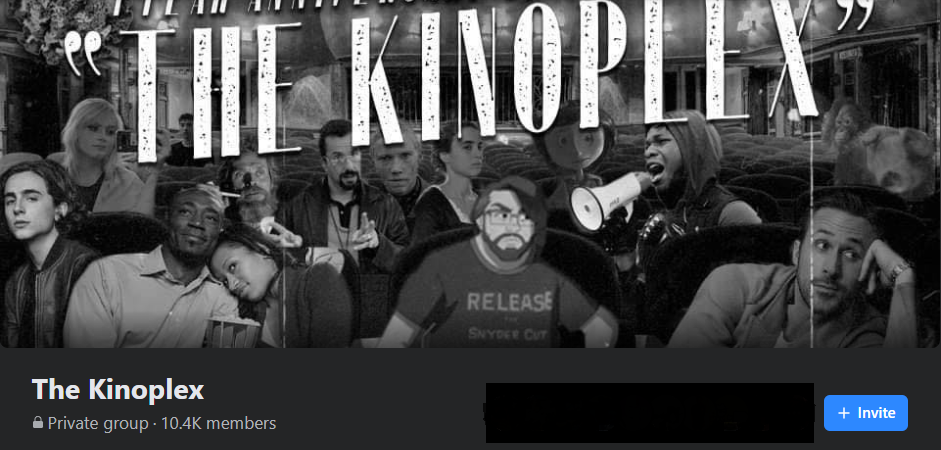
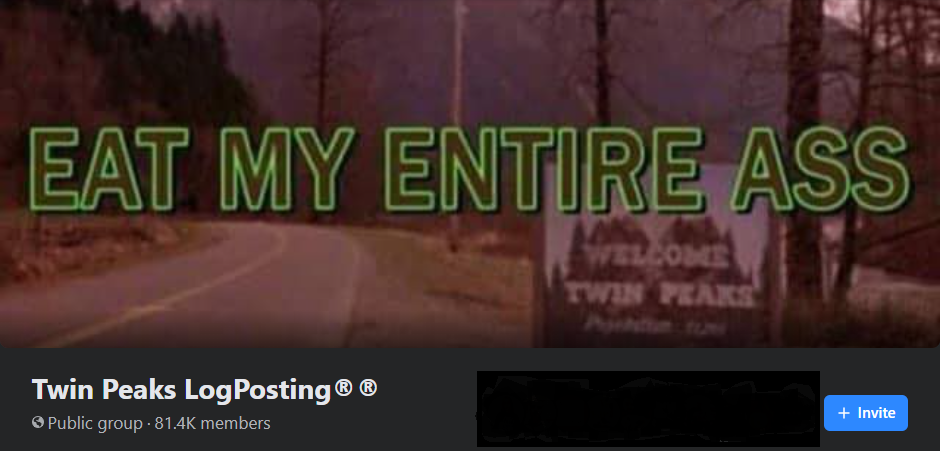
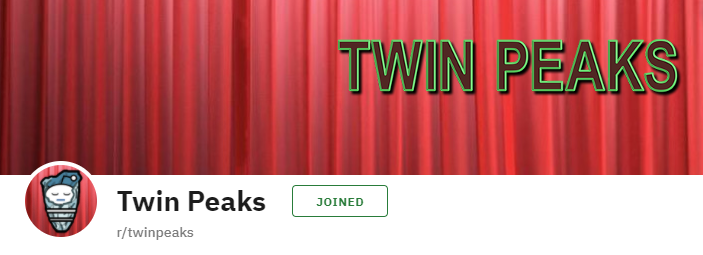
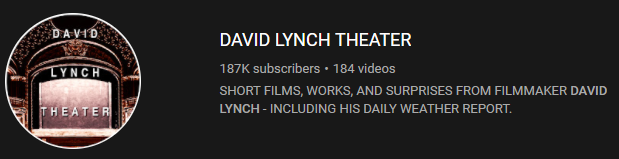
For my observational approach to Lynch’s Community, I decided to take a peripheral member approach, which entails “interacting closely enough with members to establish an insider’s identity without participating in those activities constituting the core of group membership” (Adler, Adler, 1994). This means I consider myself a fan of Lynch and his work, and see myself as apart of his fan community but rarely engage with it. So my experience after watching episodes and the series as a whole sort of elevated my appreciation for Lynch, his work, and his fan community. There were three main platforms I used when interacting and observing Lynch’s community. I would usually go from watching an episode or two to browsing one of these platforms on either my phone or desktop computer. These were Facebook (The Kinoplex and Twin Peaks Logposting), Reddit (r/twinpeaks) and YouTube (DAVID LYNCH THEATER). And while I never posted on any of these platforms and interacted with the community in anyway, I still felt involved. Christine Hine makes a good point in saying, “On other platforms, content is generally public and “lurking” or passive reading is the norm for a significant proportion of community participants and therefore, to an extent for the researcher” (Hine 2015). This explains my experience and interaction with these platforms and community I was researching.
The two Facebook groups was something I browsed (and still browse) daily. Both of these groups are mainly shit-posting groups but every now and then I’d come across a few interesting opinions. For example some members weren’t fans of Lynch’s work like a user in The Kinoplex posted a thread that read, “ITT: Times you felt Filtered (A piece of entertainment or media which “filters out” uncultured people)”. A thread started in the comments with, “I just couldn’t watch twin peaks. Stopped at episode 3 with a massive what the fuck am I watching visage”, and someone responded with “Yeah that’s pretty much the reaction to all David Lynch directed stuff”. While I absolutely adore Lynch and am pretty biased towards him, I can understand why one might not be a fan of his work, its not for everybody.
Plebs after watching anything from David Lynch
Reddit was a similar experience to the Facebook groups, but I felt that I got some insightful perspectives, theories, new details, and interpretations from users on the site. An interesting theory I came across was how season 3 (The Return) is a retelling of the Greek myth “Abduction of Persephone”. And finally YouTube, which I found Lynch’s channel ‘DAVID LYNCH THEATRE’ and the community to be wildly wholesome. Lynch uploads weather reports daily and always adds a nice little wholesome note of what he’s been thinking of that day. For example, a weather report uploaded on September 26th, Lynch stated how he had been thinking of trees that day, and how beautiful and important they are. While researching the fan community of Lynch, I came across the ethical issues of privacy. While I wanted to link and quote the people I was researching and looking at, I wanted to respect their anonymity. As Milena Popova points out in her Digital Autoethnography of fan studies, “the fact that content on social media and other internet sites is publicly accessible in theory does not mean that those posting the content necessarily view it as such” (Popova, 2020).
The absolute king reporting the weather
CONCLUSION
To conclude I think what makes me love this show, Lynch, and his community are one in the same. So much of Lynch goes into his work that they sort of feel like windows into his mind. His fan community is packed with die-hard fans of the works with so much to say and add in terms of fan art, theories, interpretations and opinions. The show is weird, quirky, funny, interesting, dark yet optimistic and hopeful. And Lynch is in my mind, all of these things too. His persona seeps into everything he creates and always leaves me intrigued and wanting to find out more, and the more I look into Lynch and his work, the more I want to know. He leaves his work completely open to interpretation just as he leaves himself, and I believe that this is the answer to why David Lynch interests me and holds a special place in my heart.
So now it was time to start Smashing through TP and everything it had to offer. I found myself absolutely enthralled and unable to stop watching for the most of this series. The characters were extremely well written, goofy, and fun. The mystery was captivating and had me constantly guessing. The production quality is unmatched for its time, with incredible direction, writing, cinematography, editing, acting, sets and sound. And most importantly, the show’s atmosphere had Lynch written all over it. So these examples of why I liked TP is all well and good but it doesn’t answer the question, “What it is about Lynch’s persona and work that interests me?”.
To answer this question I had to really start looking inward on what it was about the show that David Lynch brought to it that made me so intrigued. To do this id need to choose a method that best suited my experience with the show. That method would be the Autobiographical method, which aim is to “awaken and inspire researchers to make contact with and respect their own questions and problems, to suggest a process that affirms imagination, intuition, self-reflection, and the tacit dimension as valid ways in the search for knowledge and understanding” (Douglass & Moustakas, 1985, p. 40). This method of autoethnography would allow me to talk about and reflect on my experience, opinions, interpretations of the show, Lynch and hopefully gain a better understanding of the question I’m asking myself.
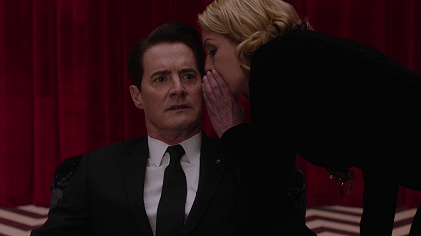
The first season, which consists of 8 episodes, I believeto be one of televisions greatest opening seasons of all time and smashed it out in about 2 days. These first 8 episodes set up the show and gave solid introductions to the shows major characters. The first 6 episodes from the original series second season were still solid and had me thoroughly engaged and found myself enjoying and invested in every second of the mystery and surreal nature of the show. Episode 7 while easily one of the best episodes, reveals the Laura’s killer. This I believe wouldn’t have been a problem if series wrapped up after this, But the show goes on for another 15 more episodes. Every episode from #7 was such a drag to get through and just felt really silly and not really Twin Peaks. The direction feels off, characters are written super strange, editing and music choices are really weird and abrupt and I just wasn’t invested anymore. Now I did have the understanding that Lynch was infamously uninvolved after the Mystery was revealed and I thought that maybe this affected my views and opinions on these episodes. But I remembered that this was about the time I stopped watching when I first attempted to watch Twin Peaks a few years back and at that time I didn’t have that knowledge. So yeah, I think Lynch truly did bring something extremely special to this show and something that kept me coming back. But at least this time I had the return series to look forward to, which I knew Lynch directed and wrote every episode of. So I decided to push through and finish off the series. After finishing the series I took some time to reflect on the way the show made me felt and how I experienced it. While Twin Peaks obviously deals with some heavy themes, like abuse, drug addiction and murder, it always found a way to incorporate quirkier and optimistic elements as well which I really liked. This contrast is something that I really came to appreciate and notice more as a common characteristic of the show and of Lynch’s as a whole. For example Kyle Maclahclan’s character Dale Cooper, who is the main protagonist, is constantly pitted against these darker themes of the show, but his character always gave me a more optimistic outlook on the show as a whole due to his quirky traits. I would go as far as to say that I even see some of Lynch in this character. Take these two clips for example-
There’s also the philosophical and moral ideas that Lynch implements into the show. Ideas that really stuck with me after the show which made me think and reflect. For example, good vs evil with the supernatural elements of Bob possessing Leland being the evil, and One armed Mike being the good fighting against Bob. I also interpreted Bob as Leland letting his darker side that’s present within him take over and commit these horrendous crimes.
After watching the original series I then moved on to Fire Walk with me, which recounts the final days of Laura’s life and exactly how she died. As a stand alone movie, I can’t really seeing this hold up and even as a prequel to the series, I didn’t find it particularly necessary. That being said, Lynch instils a sense of dread into this movie which makes this movie more akin to something like a horror movie unlike the shows more light-hearted tone. This movie left me in a state of depression after watching it due to its dark themes and ideas. While I’m never against an artist censoring or holding back darker themes from their vision, I just don’t think it really fits well when held up to the more off-beat and quirkiness of the show.
Where to begin with The Return? This shit was weird ass, in true David Lynch style. So this season starts off 25 years after we were left on the cliff-hanger finale of season two. A lot of this season felt more like a dream to me than a series of events unfolding, and its about as Lynchian as I could hope for. Episode 8 (which gave me a little bit of Eraserhead vibes) is such a bonkers episode, and is easily my favourite episode from the series. Just this episode alone encapsulates what it is I love so much about Lynch and his work. Super surreal, experimental and refused to hold my hand and give me the answers to everything I wanted them for, but instead asked me to interpret it how I liked. As the season went and just as I felt that I was starting to get a grasp on answers and what Lynch is trying to convey, part 18 came around and threw me off the rails. It answers questions but for each answered it leaves 20 more its place.
In my next blog I will be discussing my experience with Lynch’s community and the different platforms I used to navigate it. I will be using the participant observation as my research method to analyse my findings and will be summarising my research.
David Lynch. A Director whose filmography is so bizarre and uniquely Lynch that he has a genre named after him. So when asked to chose a media niche to focus an Autoethnography on for an analytic research task (Digital Artefact), the decision to research Lynch and his filmography was an easy one. Lynch has been a very polarizing director ever since his debut with 1997’s Eraserhead and its easy to see why. Nonetheless I love Lynch and his films. But as much as I love his work, I can never really give a definitive answer on why is it I’m so intrigued by Lynch and his filmography.
So for my Digital Artefact, the main question I wanted to hone in on is, “What it is about Lynch’s persona and work that interests me?”. Originally I wanted to focus my research on David Lynch’s directorial efforts, and to observe the spaces where his fans interact. I’ve since decided that narrowing in on one of his works would give me a better opportunity to be more detailed and precise about my experience and research with the work, and the platforms him and his community are most prominent. I also want to format my Digital Artefact through a series of blogs. This first one will focus on the overview and explain key elements of my niche while also explaining some of the methods I will be using. The second will focus on my autoethnographic research, which is described by Sarah Wall as a “research method that allows the author to write in a highly personalised style, drawing on his or her experience to extend understanding about a societal phenomenon“(Wall 2006, P. 1). Finally, The third blog will look at my observational research, which consists of “observing and recording human behaviour in a particular setting (often referred to as ‘the field’)” (Marvasti 2014, P. 355). and summarise my research.
I had a lot of choice when it came to picking from Lynch’s body of work. At first I was considering focusing my research on his first directorial effort, Eraserhead, as I and many others believe this to be his most “heady” movie. I then re-watched Mullholland Drive, as this is arguably his most acclaimed and accessible films. But after some consideration, I chose to opt for Twin Peaks due to the shear amount of content and fan community surrounding the show.
I decided to include the original series, Fire walk with me, and The Return into my research and focus on my experience before, while, and after watching all the Twin Peaks content. This will be the autoethnography aspect of my Digital Artefact, My experience with Twin Peaks and how I experienced it. My Observational research will take place on the Facebook groups The Kinoplex and Twin Peaks LogPosting, and Lynch’s Twitter and YouTube pages.
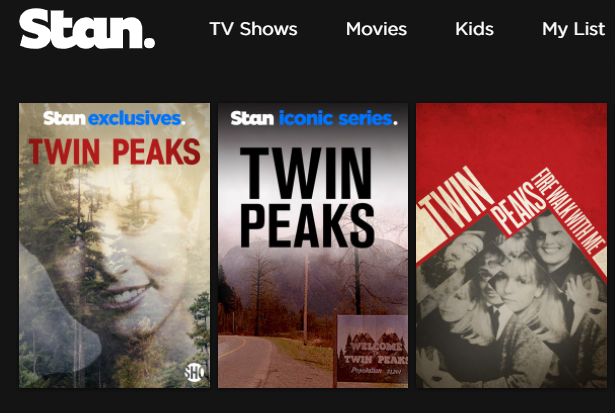
So, Twin Peaks. Where to begin? Well firstly, I want to start by saying that I tried watching this show a few years ago but found myself disinterested about halfway through the second season. But around the same time I was starting to narrow down my research on David Lynch, I was browsing through a Facebook group known as the Kinoplex. While on this page I came across someone who posted about Twin Peaks saying “I’m trying my darndest to give Twin Peaks a full watch through. This is my second attempt. So far, I’m sure of this: Deputy Andy did not kill Laura Palmer”. Seeing this guy give the show a second attempt sort of pushed me into also having another go at it. Plus I’d been a fan of Lynch’s for a while and feel like it deserved another chance. I then started to find out where I could watch Twin Peaks (legally). Being the biggest streaming platform, I checked Netflix first and to no surprise with their garbage catalogue, it wasn’t there. But Stan being the superior streaming service, had the original series, Fire walk with me, and the return (As well as three of Lynch’s other movies). So I’d watch the entirety of Twin Peaks from my desktop computer in my comfy gamer chair and headphones.
Stan pulling through
So I had a place where I could consume, but before I started absolutely bingeing all of what Twin Peaks had to offer, I decided to do some research on it first. Firstly I went onto the shows IMDB page, looked at a few reviews, and who was involved in the show. I then wanted to know what the best order to watch the show, which led me to Reddit, where someone said that the best order would be to start with TWIN PEAKS (1990-1991), Then to watch TWIN PEAKS: FIRE WALK WITH ME (1992), and finally end with TWIN PEAKS: A LIMITED EVENT SERIES (2017). So over 60 hours of content, this was gonna be a mission. I then went onto YouTube to find a video to get me hyped for the journey and saw that a channel I regularly watch, Karsten Runquist, had recently uploaded a video on Twin Peaks.
Before I start talking about my experience with Twin Peaks, I’ll do my best to give you a brief description of the series. So, After beloved homecoming queen, Laura Palmer, is found dead on beach, FBI Agent Dale Cooper is sent to Twin Peaks to investigate the murder. Cooper slowly starts to uncover the towns dark secrets. The show being created by David Lynch obviously becomes ALOT more complicated and surreal than this brief description though. So in my next blog I will start to discuss in detail, my experience with Twin peaks and its content from an autoethnographic standpoint and start to delve into the question of “What it is about Lynch’s persona and work that interests me?”.
For my Digital Artefact, I’ve decided to opt for a video to show and explore my research. In the video I will be mainly using an autoethnographic approach to study and research my niche, and will be using the observation approach to examine the thoughts and opinions of Lynch’s community. I will be using screen recordings and captures, field notes, and voice recordings to examine my research and create the video. Through my research of Lynch’s work and his community, I will hopefully allow me to understand what makes him and his work so engaging and interesting, while also gaining new perspectives on the niche.
After some background research I’ve started to look at some of the common critiques of Lynch’s work and have decided that tackling the issue of his portrayal of women in his work would be an interesting perspective to research from. I’ve also started examining the field site and gathering relevant research. This has led me to sites such as Reddit, Twitter, YouTube, and 4chan.
Through my research I hope to find both the negatives and positives on my chosen niche and hopefully gain new insight and perspectives.
This video pitch serves as an outline of the research plan of my Digital Artefact.
In this final blog post about my media niche, I will be discussing the background research I’ve done so far for my media niche as well as outlining some of the ethical issues I may face further into research and how I plan to manage them.
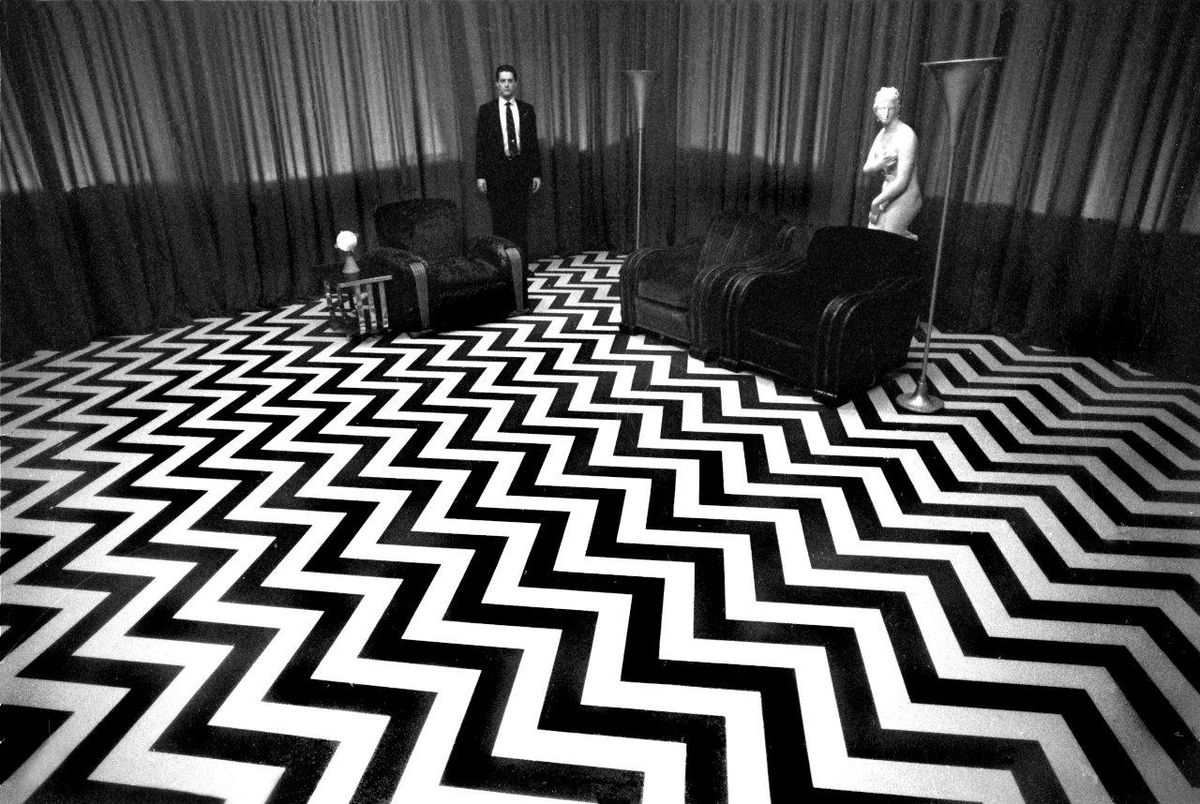
A King pointing at a King/Queen
BACKGROUND RESEARCH
My research for this niche will be based off the question of “What it is about Lynch’s persona and work that interests me?”. I briefly mentioned this in my last blog and believe by asking myself this I can get a better understanding and insight of what it is that attracts me to certain works and communities surrounding them. Through my research I will also be looking for issues and problems I find with them and analysing the data I collect. When it comes to background research, I’ve started looking at different issues and perspectives that critics of Lynch commonly criticise him for. I briefly touched on his portrayal of women in my last blog, but I’ve recently come across more issues that I think would be an interesting perspective to look at Lynch from. Ever since his directorial debut ‘Eraserhead’, Audiences have constantly been divisive of his work. These viewers that don’t like Lynch movies are told by his fans that they just “Don’t get it”, and fans that like Lynch’s work are told by fans that don’t like Lynch that his work is pretentious. I believe I can understand both sides, as when I first started watching his movies I struggled to understand meanings behinds them, but as I’ve started re-watching them, I’ve given them my own understandings and grown to love and appreciate them.
ETHICAL RESEARCH
Majority of my research will be from a autoethnographic approach, but this approach will be accompanied by some of the observational approach, which involves studying and collecting data from individuals. With this comes many ethical issues, as my niche brings with it many different opinions, feelings and thoughts from the people I will be researching. So I must make sure I follow guidelines that will help me combat these issues during my research.
These include-
I will be honest in my research
I will ensure that all participants feel comfortable
I will be respectful during my interactions with others
I will be sensitive to triggering topics
I will inform participants of my research, how it will be used and where it will be going
I will respect the anonymity of participants in online interactions (YouTube, Twitter, Facebook and Reddit comments/threads)
I will correctly reference my sources
I believe anonymity is one of the key issues I will face. One way I can manage Anonymity is to use only the words spoken by users instead of taking photos which could include usernames and personal information. This will come with some challenges which include context behind what they’re saying and the content they re referring to. Although it may be difficult, I will be as accurate as possible and ensure I follow these ethical guidelines.
In my previous blog I explored the field site of David Lynch. I also stated that I was unsure of whether or not I wanted to continue researching David Lynch as my media niche and base my Digital Artefact around him. At first I didn’t think ethnographic study would be needed or wanted but as time went on and I thought about it more, I came to the decision that understanding the appeal behind Lynch would help me and possibly others in my career path.
PROBLEMATISING
The First step in my research was to problematise David Lynch as a niche. I think a good way to start to problematise my niche would be to ask myself, “what is it about Lynch’s persona and work that i’m drawn to?”. By asking myself this question I can challenge my perceptions of my chosen niche and gain new perspectives. I could also ask myself “what is it about Lynch and his work that could be seen as problematic?”. A very common critique of Lynch’s work is his portrayal of women. I think this could be an interesting perspective to look at his work from, but as of now I’m still deciding what issue I want to focus on. This lead me into my research plan.
RESEARCH PLANAND AUDIENCE
I plan to Document my research plan by incorporating the methods of Observation and Autoethnography into the research of my niche. Observation is ethnographic research can be defined as “a researcher observing and recording human behaviour in a particular setting (often referred to as ‘the field’)” (Marvasti 2014, P. 355). This will be implemented into my research by engaging with Lynch’s work and his community/audience and the platforms they take place (Reddit, Youtube, Twitter). Autoethnography is a more autobiographical experience of research. Its described as “an emerging qualitative research method that allows the author to write in a highly personalised style, drawing on his or her experience to extend understanding about a societal phenomenon” (Wall 2006, P. 1). Using both of these methods as guidelines in my research will let me reflect and make sense of my thoughts and emotions on the field site of David Lynch. During my research process I will be constantly taking notes on my thoughts, ideas, emotions and opinions of the field site and be critical of them. These are whats known as ‘Field Notes’. These field notes will help me to compare my findings and gain insight into my true beliefs about my Niche. When it comes to audience and who I’m trying to attract to my research and findings, I believe my focus would be aimed towards myself, future employers, aspiring filmmakers, people trying to get into the industry, and film enthusiasts.
RESEARCH SCHEDULE
I created this schedule as to keep a clear guideline and time frame for research, due dates and analysing my research. It will help me to keep track of what work has been completed and the work that is yet to be completed. In my next blog I will be discussing how I will be analysing my research and the ethics that might emerge during my research and how I will control them.









 Mitch's blog